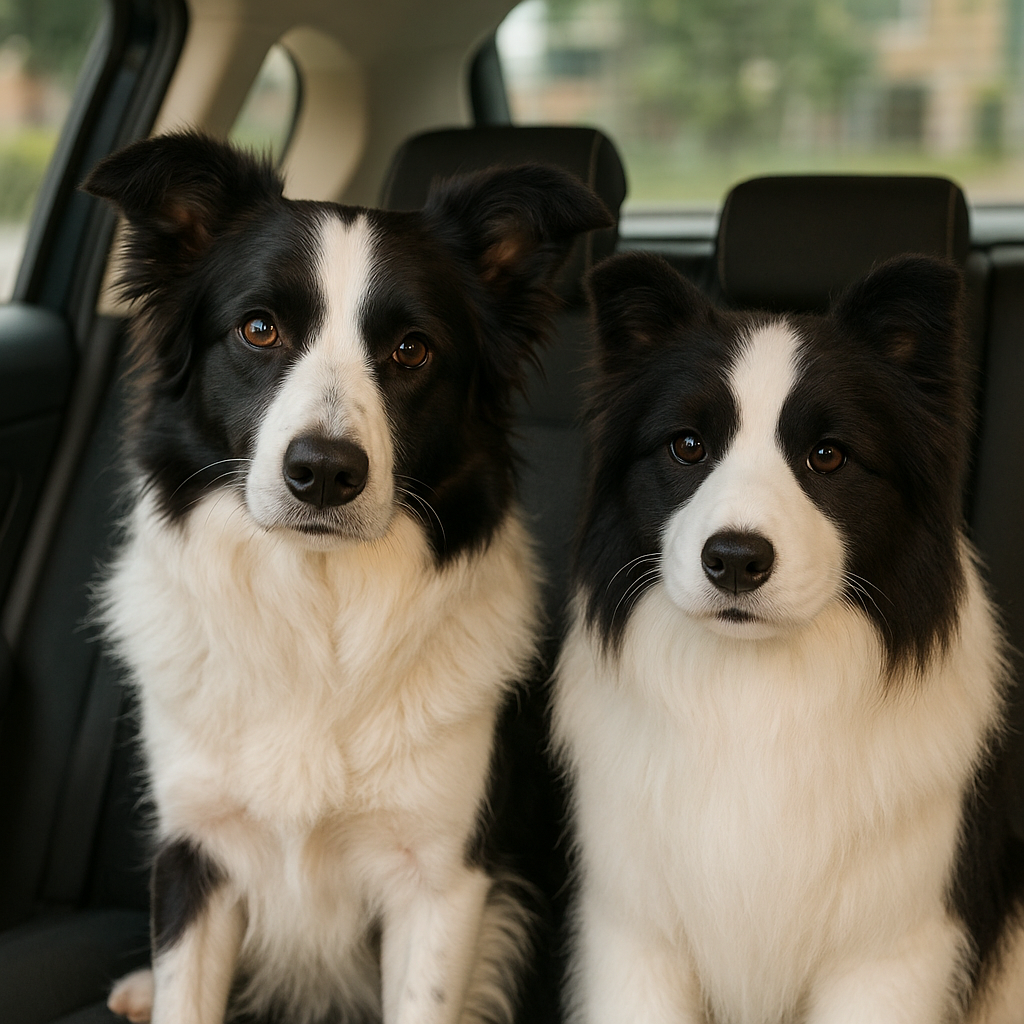
Why Pets Choose a Place to Die: A Gentle Guide to Understanding Their Final Moments
It’s one of the most painful questions a pet parent can ask: why pets choose a place to die. When a dog, cat, or companion animal begins to fade, many retreat to a quiet corner, an unusual room, or a distant part of the house. This instinctive behavior often leaves families confused, heartbroken, or even feeling rejected. But the truth is much more tender than it appears.
Understanding why pets choose a place to die can bring comfort, soften guilt, and help you feel closer to your pet’s emotional experience during their final moments.
Why Pets Choose Solitude or Specific Spaces
Animals have instincts far older than our relationships with them. Long before pets became family members, wild animals learned to seek safe, quiet places when they were vulnerable. Modern pets carry that same instinct.
Here’s why pets choose a place to die:
1. Instinctual Protection Behavior
In the wild, weakened animals hide to stay safe. Even though your home is safe, your pet’s biology still tells them to find a quiet, sheltered spot.
This explains why pets choose a place to die that may seem unexpected or out of character.
2. Seeking Peace and Calm
Studies from UC Davis Veterinary Medicine show that animals become highly sensitive to sound and activity near the end of life. Peaceful environments feel less stressful.
3. Avoiding Burdening Their Family
Many pet parents believe their pet “didn’t want to worry them.” Whether or not this is scientifically provable, countless veterinarians report pets distancing themselves as a form of emotional instinct.
4. Returning to Familiar or Comforting Scent Locations
Pets rely heavily on scent memory. A specific room, bed, or corner may hold emotional comfort.
It Has Nothing to Do With Love or Avoidance
One of the biggest fears is:
“Did my pet go away because they didn’t want me there?”
Absolutely not.
Animals do not judge love based on physical presence. When exploring why pets choose a place to die, experts emphasize this truth:
Your pet loved you deeply—this behavior was instinct, not rejection.
They weren’t leaving you behind.
They were simply following ancient patterns built for safety and comfort.
Research from the American Psychological Association shows that understanding these instincts reduces guilt dramatically for grieving families.
How to Find Peace With Your Pet’s Final Choice
When you reflect on why pets choose a place to die, you may feel sadness or confusion. But there are healing truths that can help:
1. Their choice was natural
They weren’t choosing away from you—they were choosing instinct.
2. You were their safe place every day before this one
Your presence shaped their entire life, not just their final moment.
3. They trusted the world you gave them
Animals only seek calm if they feel safe overall.
4. Love remains, even if the moment wasn’t shared
Grief is a sign of connection, not failure.
Creating Meaning After Their Passing
Many families find comfort by turning grief into something meaningful.
If you’re ready, you can explore:
Some also choose to keep their pet’s presence close through a small memorial object or a handcrafted keepsake. A few pet parents have found emotional support in a custom life-size replica of their companion—not as a replacement, but as a way to keep their memory present in a gentle, grounding way.
This mention stays soft, optional, and respectful of your emotional pace.
A Deeper Look Into Why Pets Make This Final Choice
Insights from Tufts University veterinary experts reveal that end-of-life behavior in pets is a blend of instinct, biology, and environment. Understanding these layers helps explain why pets choose a place to die and why each pet’s final behavior is unique.
Additionally, stories shared through the Rainbow Bridge Community show that thousands of pet parents experience similar patterns. You are not alone.
Final Thoughts
So why pets choose a place to die?
Because instinct guides them toward calm, safety, and quiet.
Not because they loved you less,
not because they wanted to be alone,
but because their biology asked for stillness.
Your pet lived their entire life knowing your love.
That is what truly mattered—not the place they chose in their final moments.
⭐ FAQ
1. Why do pets choose certain places to die?
Pets instinctively seek quiet, safe spaces when vulnerable, often due to biology rather than emotion.
2. Does choosing a hidden spot mean my pet didn’t want me there?
No. The choice is instinctual, not emotional avoidance or rejection.
3. How can I cope with my pet’s final moments?
Understanding natural instincts, creating memorial rituals, and seeking gentle support can help ease grief.

Your point of view caught my eye and was very interesting. Thanks. I have a question for you. https://www.binance.info/register?ref=IXBIAFVY